Patients & families / Trigeminal neuralgia
Trigeminal neuralgia
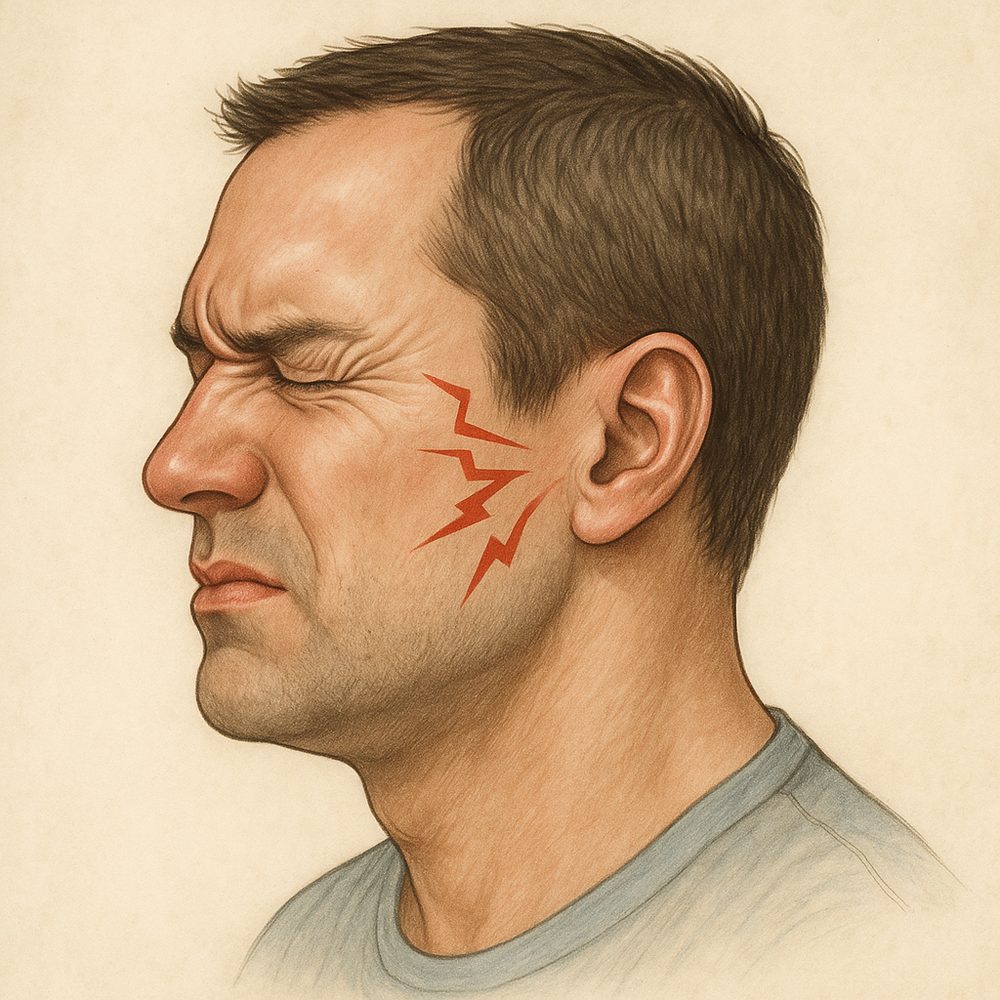
These are attacks of extremely severe, brief pain on one side of the face, triggered by simple actions such as talking, chewing or brushing the teeth. It can be treated, with medicines and with surgery.

What it is
The trigeminal nerve carries sensation from the face to the brain. It has three branches: forehead and eye, cheek and upper lip, jaw and lower lip.
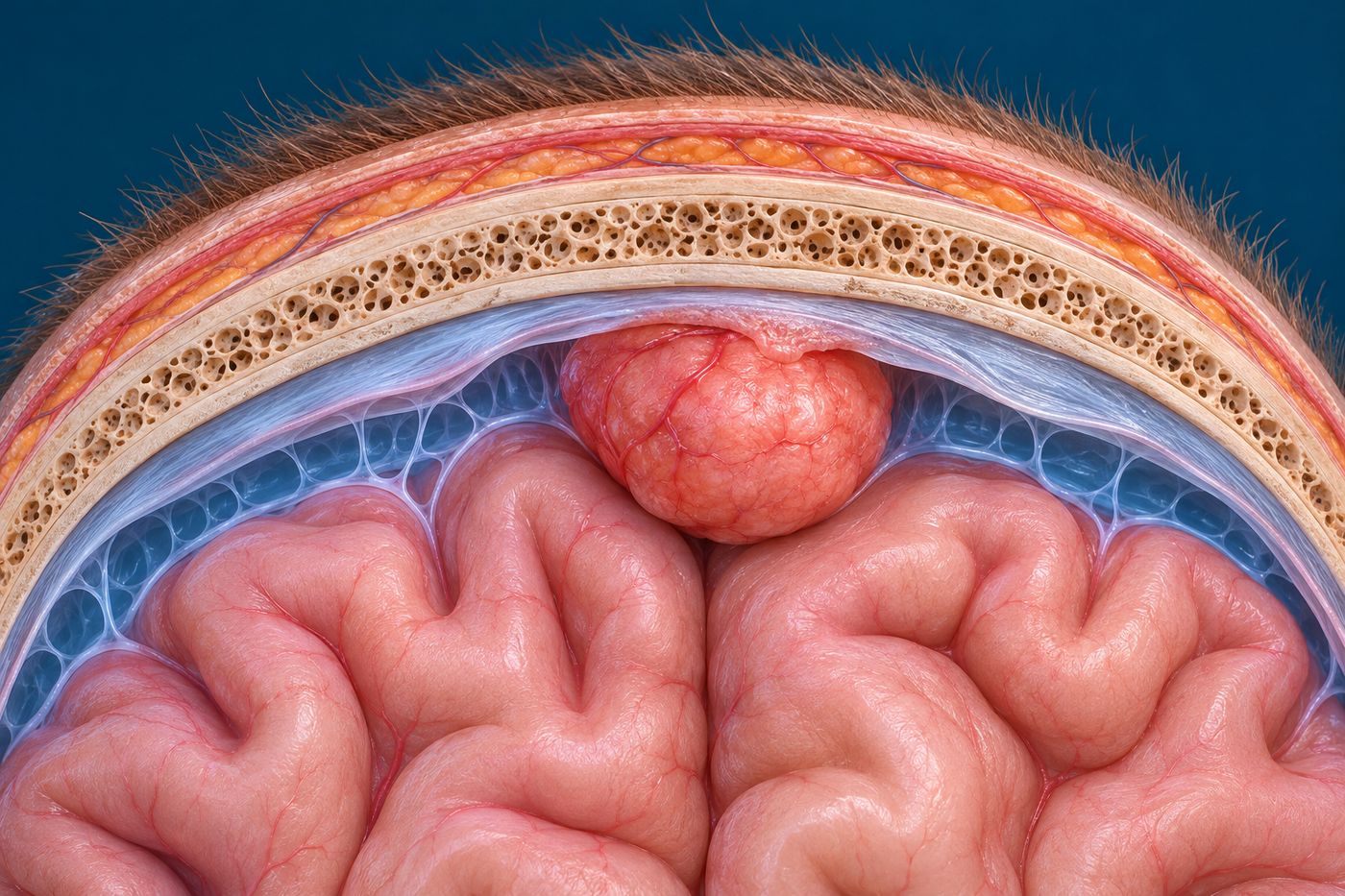
In the most common form, an artery touches the nerve just where it leaves the brainstem. Over the years, this pulsation wears down the nerve's coating, and the nerve starts firing signals of intense pain.
In a smaller number of cases, the neuralgia is caused by another disease, such as multiple sclerosis or a tumor pressing on the nerve. That is why an MRI is always needed.
Approximate figures from the international literature.
Symptoms
Many patients first see a dentist, because the pain seems to come from the teeth. Dental treatment does not cure neuralgia.
See your doctor if the pain comes with facial numbness, weakness, changes in vision or hearing, or if it starts before age 40: these signs call for investigation of other causes.
Diagnosis
The diagnosis is made from the history of the pain and the neurological examination.
MRI with special sequences shows whether an artery or vein touches the nerve and rules out other causes, such as multiple sclerosis or tumors.

Treatment
The first step is almost always medication. When it no longer controls the pain or causes side effects, there are very effective surgical options.

Carbamazepine or oxcarbazepine control the pain in most patients at first. Over time, doses may need to increase.
When: first option for everyone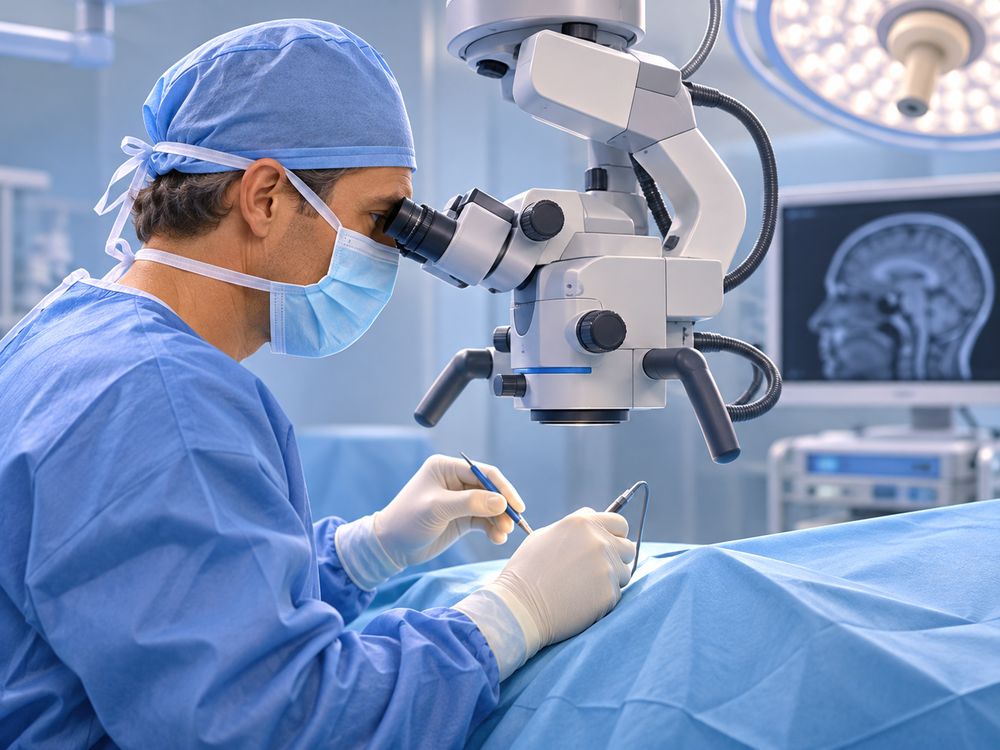
Surgery that moves the vessel away from the nerve and places a small cushion between them. It treats the cause and preserves facial sensation.
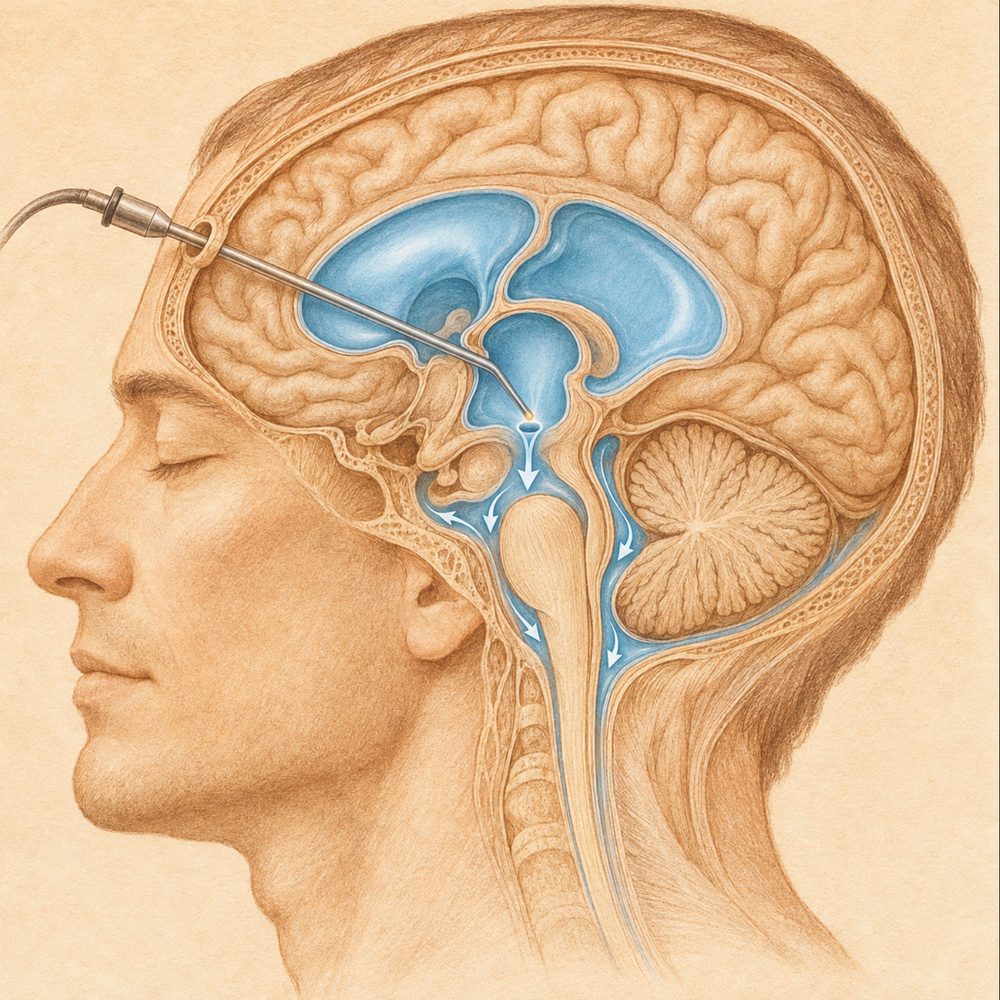
When: a vessel compresses the nerve and the patient is in good healthThrough a needle in the cheek, the nerve is treated with a balloon, heat or glycerol. Quick relief, but numbness may remain.
When: older patients or higher surgical risk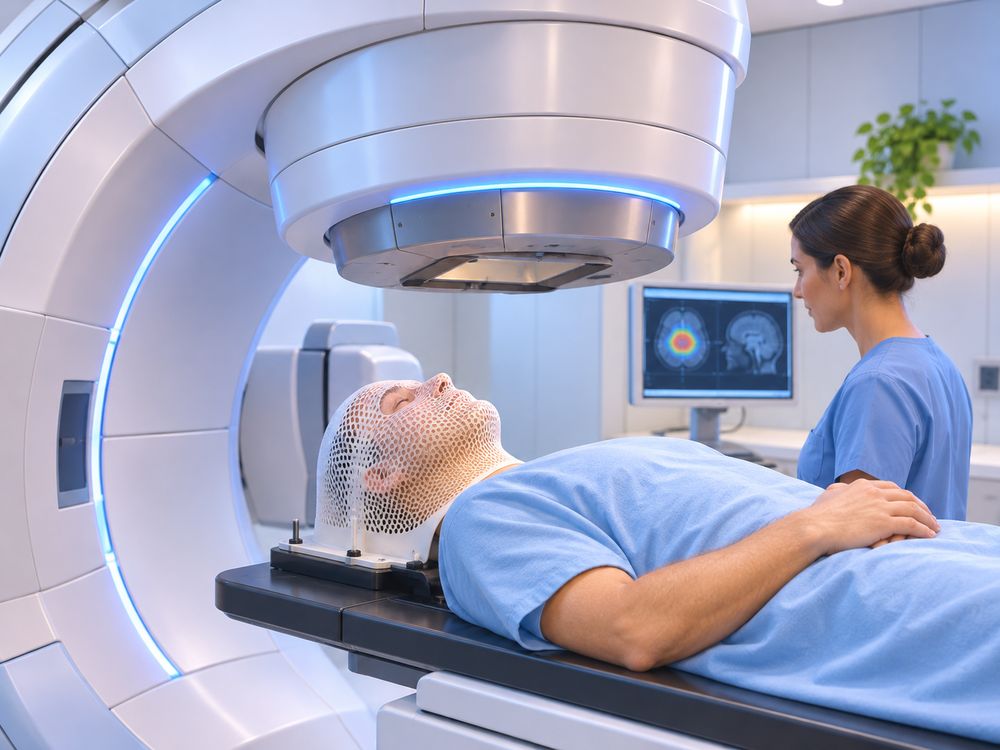
Radiation focused on the nerve root, without an incision. Relief comes in weeks to months.
When: patients who cannot or do not want to have surgeryAfter treatment
Never stop your medicines on your own: they must be tapered gradually, even when the pain disappears.
Exact timelines are set by your doctor according to your case.
For your appointment
Write down the answers, or bring someone you trust.
Frequently asked questions
It can, but microvascular decompression has the most durable results: most patients remain pain-free many years later.
Because the problem is in the nerve, inside the skull, not in the teeth. Extractions and root canals do not relieve neuralgia.
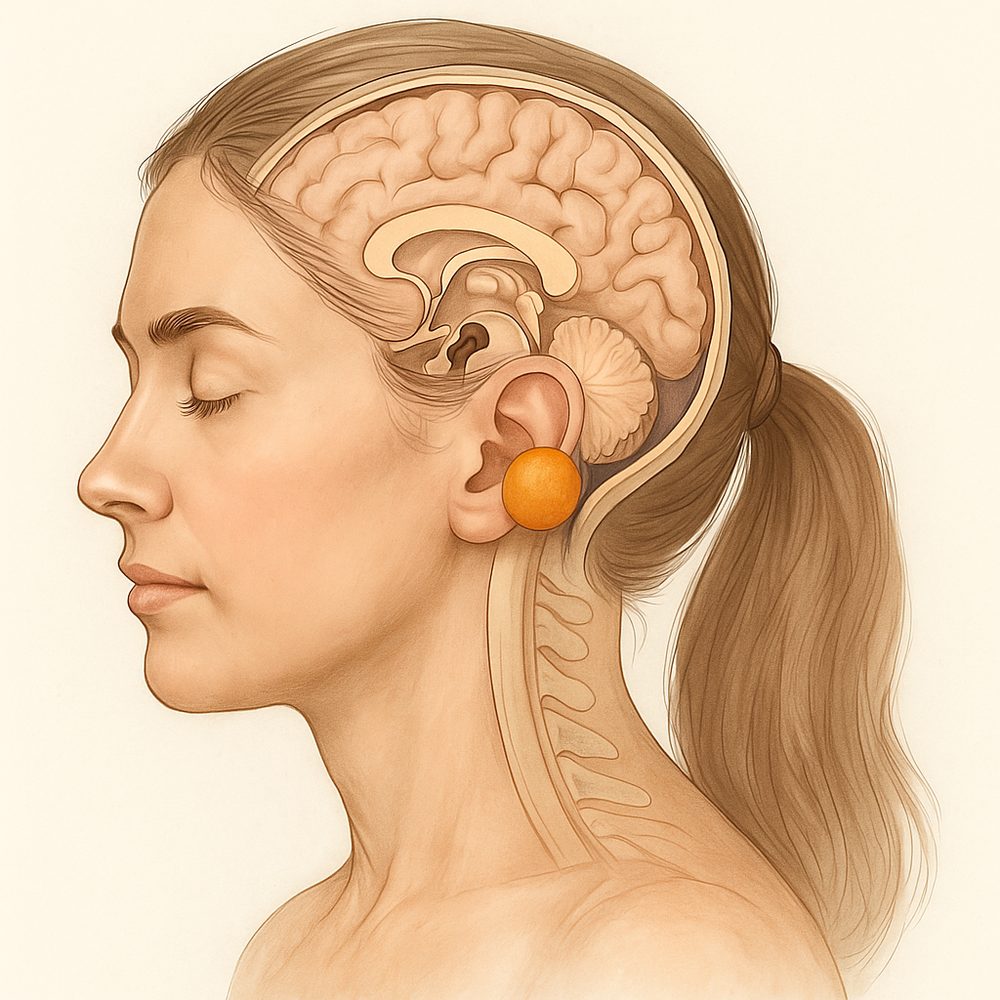
Decompression is done through a small opening behind the ear. The brain is not cut: the surgeon works in the space between the cerebellum and the bone.
Research news
A review of 9 studies assessed radiomics, a technique that extracts details invisible to the naked eye from MRI images to identify the trigeminal nerve causing the pain.
ReadA review of 3,806 patients compared microvascular decompression with radiosurgery, radiofrequency, balloon and rhizotomy in people who had never had surgery.
ReadNeuralgia on both sides of the face is rare. A review pooled the cases treated with radiosurgery and proposed a plan to treat one side at a time.
Read Neurosurgery